Embracing Technology: The Imperative for Business Growth and Fair Competition
In today's rapidly evolving global economy, technology is no longer just a tool; it is the fundamental driver of business growth, innovation, and competitive advantage. For businesses to not only survive but thrive and compete fairly in this tech-driven world, a proactive and strategic embrace of technological advancements is paramount.
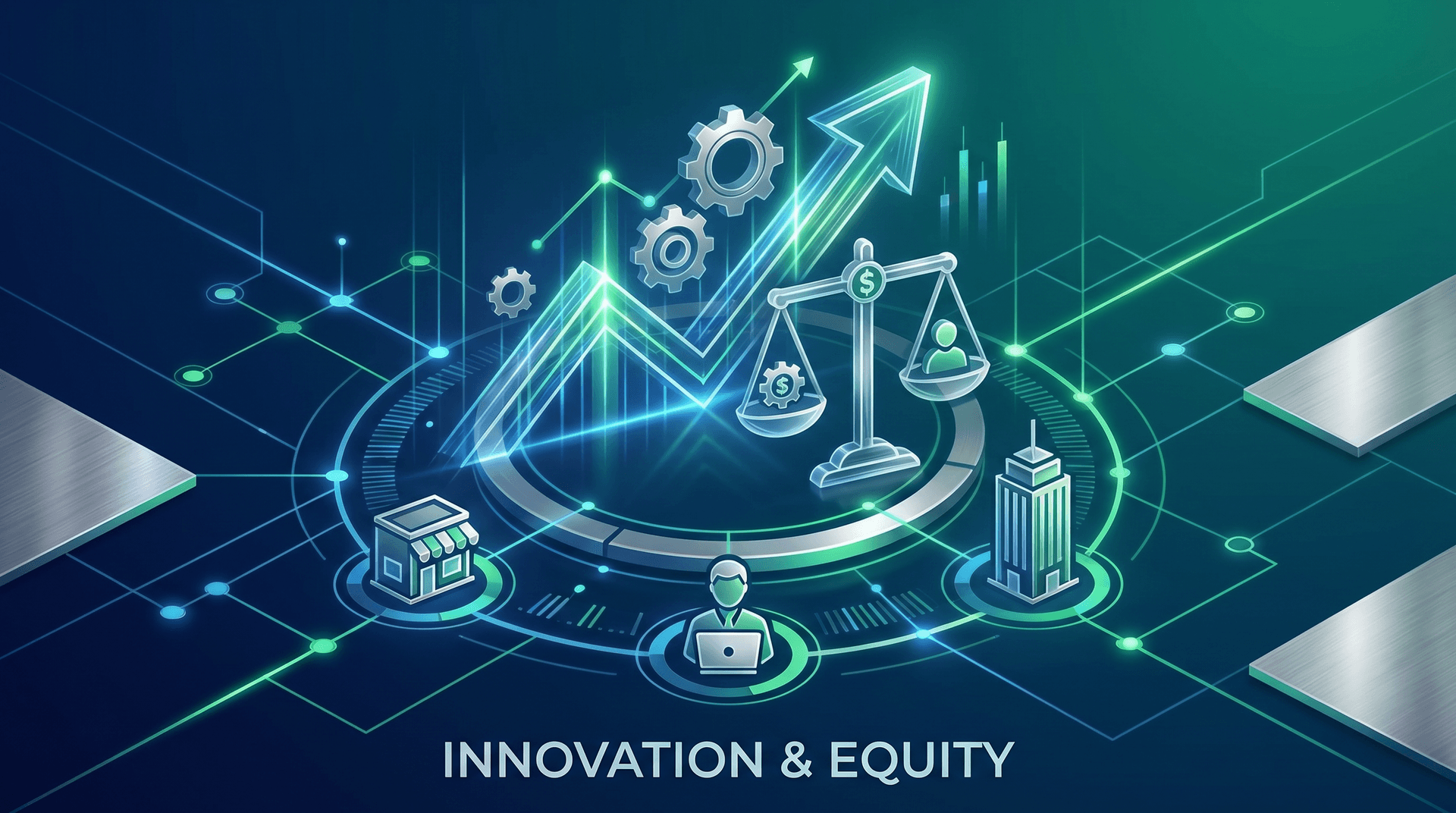
In today's rapidly evolving global economy, technology is no longer just a tool; it is the fundamental driver of business growth, innovation, and competitive advantage. For businesses to not only survive but thrive and compete fairly in this tech-driven world, a proactive and strategic embrace of technological advancements is paramount.
The Shifting Landscape: Why Technology is Non-Negotiable
The digital revolution has fundamentally reshaped consumer expectations, operational efficiencies, and market dynamics. Customers now expect seamless digital experiences, personalized services, and instant access to information. Businesses that fail to adapt risk obsolescence, as their more agile, tech-savvy competitors capture market share and customer loyalty.
Technology offers unparalleled opportunities for streamlining operations, enhancing productivity, and reducing costs. Automation, artificial intelligence (AI), and cloud computing can transform traditional workflows, freeing up human capital for more strategic and creative endeavors. This operational efficiency is crucial for maintaining competitive pricing and delivering superior value.
Key Technological Pillars for Sustainable Growth
1. Digital Transformation of Core Operations
Digitalizing core business processes, from customer relationship management (CRM) to supply chain logistics, is the first step. This involves integrating software solutions that automate routine tasks, provide real-time data insights, and improve overall operational transparency. For instance, a Sacco utilizing a modern management system can automate loan processing, manage member data efficiently, and offer mobile banking services, significantly enhancing member experience and operational speed.
2. Data-Driven Decision Making
The abundance of data generated by digital interactions is a goldmine for businesses. Leveraging analytics tools and AI, companies can extract actionable insights into customer behavior, market trends, and operational performance. This data-driven approach enables more informed strategic decisions, targeted marketing campaigns, and personalized product development, fostering a truly competitive edge.
3. Enhanced Customer Experience (CX)
Technology is central to delivering exceptional customer experiences. From intuitive websites and mobile apps to AI-powered chatbots and personalized communication, digital tools allow businesses to engage with customers more effectively. A superior CX not only drives customer satisfaction but also builds brand loyalty and advocacy, which are invaluable in a competitive market.
4. Cybersecurity and Trust
As businesses become more digital, the importance of robust cybersecurity measures cannot be overstated. Protecting sensitive customer data and intellectual property is crucial for maintaining trust and complying with increasingly stringent data protection regulations. Investing in advanced security technologies and protocols is not merely a cost but a necessary investment in long-term business viability and reputation.
5. Innovation and Adaptability
The tech world is characterized by rapid innovation. Businesses must cultivate a culture of continuous learning and adaptability, embracing emerging technologies like AI, blockchain, and the Internet of Things (IoT). Staying abreast of these advancements allows companies to innovate their products, services, and business models, ensuring they remain relevant and competitive.
Competing Fairly in the Digital Age
Fair competition in the tech world hinges on equal access to information, transparent practices, and adherence to ethical standards. Technology can level the playing field, enabling smaller businesses to compete with larger enterprises by leveraging cost-effective digital marketing, cloud infrastructure, and open-source solutions. However, it also demands a commitment to ethical data usage, responsible AI deployment, and transparent business practices to ensure a trustworthy and equitable market environment.
Conclusion
Embracing technology is no longer an option but a strategic imperative for any business aiming for sustainable growth and fair competition. By digitalizing operations, making data-driven decisions, enhancing customer experiences, prioritizing cybersecurity, and fostering a culture of innovation, businesses can navigate the complexities of the modern landscape and secure their place in the future. The journey requires investment, vision, and a willingness to adapt, but the rewards—increased efficiency, deeper customer relationships, and a strong competitive standing—are well worth the effort.